
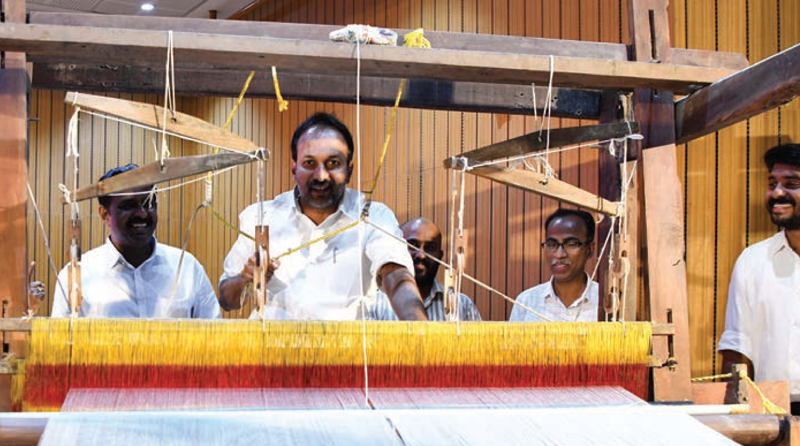
Culture Shapes Tomorrow
P. C. Vishnunadh
Minister for Tourism, Culture & Cinema
Kerala’s integrated vision of tourism, culture, and cinema aims to transform heritage, creativity, and sustainability into engines of economic growth and employment.
 In earlier times, nations were marked on the world map by their ports, trade routes, and palaces. But in the twenty-first century, the identity of a land is determined by its culture, art, cinema, heritage, and the experiences it offers its people. Cannes gains global attention through its international film festival, Edinburgh through its world-renowned art festivals, Kyoto through its centuries-old heritage, and Barcelona through its lifestyle and vibrant urban culture. Along with its rare natural beauty, Kerala too possesses a rich cultural tradition and creative strength, and it must now emerge as a global destination of unique experiences.
Kerala’s integrated vision of tourism, culture, and cinema aims to transform heritage, creativity, and sustainability into engines of economic growth and employment.
Kerala is one of the most beautiful regions in the world. But Kerala should not be remembered by the world merely for its natural beauty; it should also be known for its history, heritage, language, literature, music, dance, cinema, lifestyle, food culture, and human values that together form a rich cultural legacy. Therefore, tourism, culture, and cinema are not isolated sectors; they are the three faces of Kerala’s development. The State Government’s first budget presents a development vision that integrates these three sectors.
Today, the growth of a region is determined not only by natural resources, but also by cultural capital and creative human resources. The world is now seeking experiences. Tourists travel to experience history, stories, music, food, festivals, and ways of life. Understanding this shift, Kerala is treating tourism, culture, and cinema as part of an integrated development strategy.
One of the most historic announcements in this budget is the decision to grant industry status to tourism. This is the government’s recognition of a demand that the sector has raised for years. Once tourism becomes eligible for the benefits available to industries, it can attract new investments, encourage entrepreneurship, and generate more employment opportunities. This decision will become a milestone in strengthening tourism’s role in Kerala’s economy.
The government’s goal is to transform tourism from merely a count of visitors into an economy of experiences. As part of this, legal amendments are being introduced to facilitate tourism development in plantation areas. This will create opportunities to preserve the plantations, nature, and heritage of the high ranges while transforming them into world-class experiential destinations.
Kerala’s water culture is another major strength of its tourism sector. Upgrading tourism infrastructure in Alappuzha, making houseboat terminals functional, and establishing waste treatment plants are measures to make tourism more environmentally sustainable. The comprehensive development of Pathiramanal Island and the ropeway project from Muhamma will open new opportunities for Alappuzha tourism.
The decision to further expand the Muziris Heritage Project will connect Kerala’s history with the world. Efforts to elevate Muziris into India’s most important heritage tourism destination—through preservation of ancient monuments, live museums, heritage museums, and boat journeys along traditional waterways—will become a model of historical conservation and sustainable tourism.
The Green Marshals project reflects the vision that environmental protection and tourism must move forward together. By training and deploying both women and men at major tourist destinations, the project will strengthen cleanliness, responsible visitor behaviour, and environmental awareness.
The future of tourism will move forward in close connection with technology. That is why the government has decided to develop artificial intelligencebased digital tourism platforms and smart tourism systems. Following the Chooralmala landslide disaster, Wayanad witnessed a decline in visitor inflow. Branding initiatives, including “Brand Wayanad,” are expected to restore the district’s tourism potential. The inclusion of Brand Wayanad in the government’s hundred-day programme itself reflects this priority.
The development of water tourism, including Ashtamudi Lake, will enhance Kerala’s global competitiveness in tourism. Through eco-tourism, rural tourism, agricultural tourism, mangrove tourism, communitybased tourism, and cultural tourism hubs, the benefits of development will also reach local communities.

Alongside tourism, this budget also gives new energy to the cultural sector. The announcement to establish the M.T. Vasudevan Nair Cultural Park is not merely the construction of a memorial, but a major initiative to carry Kerala’s cultural diversity forward to future generations. It will become a cultural centre where Kerala’s traditional art forms— including Kathakali, Koothu, Thullal, Oppana, Mappilappattu, Margamkali, Theyyam, and tribal arts—can be presented, studied, and appreciated. With a library, art gallery, history museum, literature and language museum, sound museum, cinema exhibition spaces, and performance venues, it will become a new model of cultural tourism.
The announcements of the Johnson Master Music Academy in Thrissur, a music academy in the name of Umbayi, a memorial for Salim Kumar, the renovation of Thekkinkadu Maidanam, and support for the platinum jubilee convention centre of Sivagiri are investments that both honour Kerala’s artistic and cultural heritage and inspire future generations.
Cinema today is not merely an art form; it is a major component of the creative economy that generates employment and income for thousands.
Cinema today is not merely an art form; it is a major component of the creative economy that generates employment and income for thousands. That is why the decision to grant industry status to Malayalam cinema is historic. It is the government’s recognition of a decades-long demand from the film sector. This decision will open new possibilities in financial support, nvestment, infrastructure, employment, and technology.
The announcement of a permanent venue in the capital city for the
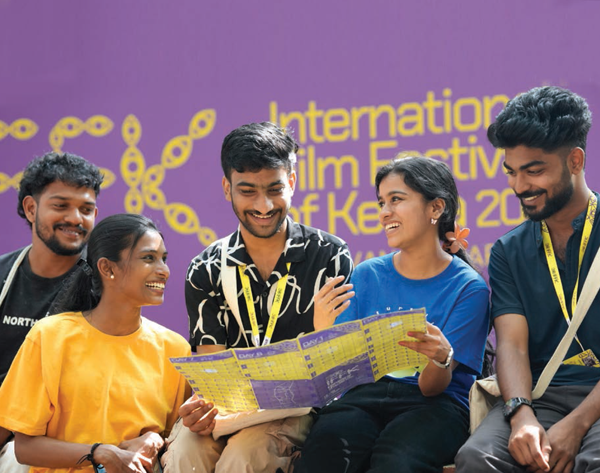 The announcement of the J.C. Daniel International Film City, “Chitranagaram,” in Kochi is part of a long-term vision to transform Kerala into a major national and international centre for film production. It will develop as a hub that combines worldclass filming facilities, technical excellence, training, research, and film tourism. The announcement of a permanent venue in the capital city for the International Film Festival will also open a new chapter in Kerala’s cinematic tradition.
When tourism, culture, and cinema come together, they will undoubtedly pave the way for a new creative economy. Around the world, cities are achieving economic progress through cultural strength. Kerala too has every possibility to achieve this. This is the time to present our arts, heritage, nature, cinema, literature, and music to the world in a new language.
Our villages must become cultural destinations on the world map. Our arts must transform into livelihoods and professions for the next generation. Our cinema must become part of the world’s creative industrial network. Our tourism must become a global model that protects the environment, heritage, and people’s lives. The government’s initial steps are becoming the driving force towards that vision.
Our goal is development that creates employment, increases women’s participation, provides opportunities for the creativity of youth, and builds the future while preserving heritage.