
Beyond Scenic Beauty

Dr. Venugopal C.K.
Dean, Conspi Academy of Management
Studies (CAMS)
With significant investments and sustained promotional efforts, Kerala Tourism is poised to achieve the growth level originally envisaged. Kerala has a plethora of natural attractions similar to many South Asian countries, and this alone cannot sustain tourism growth in the state. Culture and tourism go hand in hand. So are tourism and cinema. An intelligent master plan with this in mind can go a long way in upping the tourism graph in the years to come.
Tourism, Culture, and Cinema
The cultural symbols of Kerala have played a major role in tourism promotions. Road shows and advertisements showcasing these in tourism promotions could be given more emphasis. A deeper understanding of the knowledge of showcasing culture is the need of the hour. The culture of Kerala is deep-rooted and cannot be experienced in capsule form. Tourism promotions should be reframed, keeping this in mind. Without doubt, Malayalam cinema is a cut above the rest in terms of quality and real-life issues. In a state like Kerala, where the education level is on the upper scale, life situations and conflicts are different from those in other states. Cinema has gone a long way in addressing these issues and sometimes in even offering solutions.
Apart from this, attitudinal change may bring drastic transformation in this scenario. A tourist-friendly community can do wonders in helping Kerala realize its potential as a world-class tourism destination. Almost all of Kerala’s major tourist destinations enjoy excellent road connectivity. Further improvements in traffic management and transport infrastructure, particularly in popular destinations such as Munnar, can make travel even more seamless and enjoyable for visitors. Kerala has immense potential to introduce cable car connectivity, a sustainable transit solution for its hill stations across the Western Ghats, enhancing both accessibility and the overall visitor experience.
Culture has been portrayed in our movies many a time in an effective manner. Tourist destinations have also gained popularity through Malayalam films. Hitherto unknown destinations have made it into the minds of the viewers, paving the way to exploring them. Ramakkalmedu, Gavi, Vagamon, Alappuzha, Athirappalli, and Bekal Fort are just a few of them. Other language films have also helped in promoting destinations in Kerala.
Apart from this, keeping a destination clean is of prime importance. Keeping the place clean is actually part of our culture. Cultural tourism doesn’t necessarily mean showcasing our inherent art forms and customs. It is essentially how we behave and present ourselves before the guest. Tourists are our guests. Treat them with the respect and courtesy they deserve. Many Southeast Asian countries that have climate and natural attractions similar to ours earn more revenue from tourism by mixing the culture and courtesy factor in the tourism marketing mix.
The Way Forward
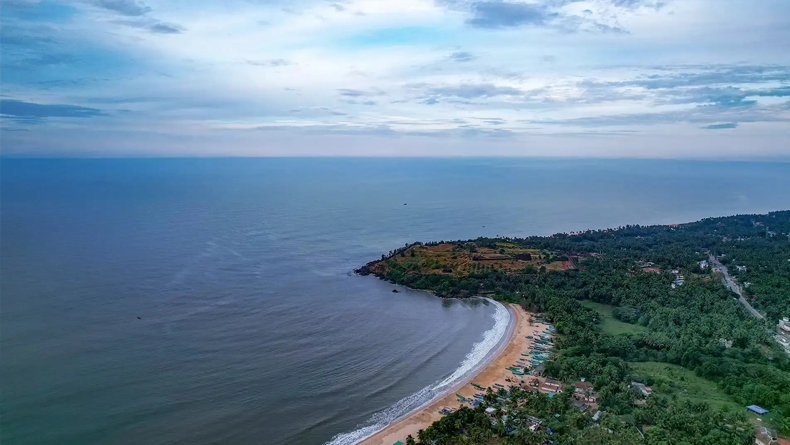
A lot needs to be done in terms of using state-of-the-art technology in understanding the demands of the tourist. Once an official data repository is created, data analysis can be done. The outputs from this will yield answers to various questions related to tourism planning. The advantage of this is that a self-correcting system can be put in place. This will provide the visionaries and policymakers the necessary data in tourism planning and policymaking. The goal of developing waterways will go a long way in developing tourism in Kerala in the most natural way. With a coastline of about 590 km dotted with beaches, it is quite natural to believe that we are a flourishing beach tourism destination. Nevertheless, we have to place special emphasis on reviving beach tourism by keeping our beaches clean and safe. Addressing encroachment has become a key priority in restoring the area’s vitality. Tourists visit destinations to relax and enjoy their time. Respecting their privacy is therefore of utmost importance. Kerala’s enduring appeal as a global tourism destination lies in its natural attractions, performing arts, culture and heritage, cuisine, and wildlife. Building on these unique strengths, we can reimagine the tourism policy with a forward-looking vision that promotes sustainable, inclusive, and balanced growth in the years ahead.