


This Fight Will Surely Be Won
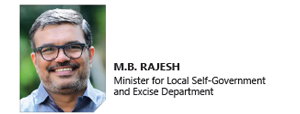
The use of narcotics has become one of the most significant factors that weaken all the progress made by human society. Various narcotic substances, including drugs, destroy human intellect and health, causing serious negative consequences. These substances erase the creativity and energy of young people. This social evil needs to be fought collectively by humanity. Recognising the enormous gravity of this peril, our government has declared an uncompromising battle against the spread of narcotics. The use of narcotic substances has become a serious social issue globally. In the 2024 report of the United Nations Office on Drugs and Crime (UNODC), the gravity of this issue is highlighted. According to the report, as of 2022, 292 million people worldwide were using drugs. In 2011, this number was 240 million. 64 million people face serious health problems due to drug use. In 2019 alone, half a million people died due to health problems related to drug use. The UNODC’s 2021 report states that 180 million years of healthy life were lost worldwide due to drug use. Among first-time drug users, 70% are between the ages of 10 and 15. Drug use is rapidly increasing in this group. Globalisation, consumerism and the desire to experience maximum pleasure at any cost have driven many people to adopt harmful methods. In Kerala, attempts to remove student organisations from schools and to promote political neutrality have led a small section of adolescents down the wrong path. Identifying and nurturing the talent in children and involving them in creative activities can, to some extent, protect them from this catastrophe. Those who use narcotics and those who seek refuge in anarchy gradually adopt reverse-thinking and disruptive behaviours. This ultimately harms the progress of society and the nation. This is why anti-drug campaigns are highly significant and relevant.
Uncompromising Fight
The state government, under the leadership of the Excise Department, has conducted extensive awareness programs and strict enforcement actions against drug use. The first phase of the anti-drug campaign ran from October 2, 2022 (Gandhi Jayanti) to November 1, 2022 (Kerala Piravi Day). The second phase ran from November 14, 2022, to January 26, 2023 (Republic Day). The third phase ran from January 26, 2023, to January 30, 2024. The fourth phase is currently ongoing. The campaign was led by the Excise Department, Police, Health, Education, Fisheries and Scheduled Caste-Scheduled Tribe Development departments, along with local self-government institutions. In every local self-government institution and ward, public committees were formed to fight the drug menace. At colleges and schools, clubs were formed for anti-drug awareness. The programmes in schools were named Unarv, in colleges Nerkkootam, and in college hostels Shraddha. The Police Department also played a major role through programmes like Janamaithri, SPC, Green Campus and Dream Campus. Kudumbashree also extended significant support. Through the three-pronged strategy of preventing the smuggling of narcotic substances, creating strong awareness among the public, especially among adolescents, and providing better treatment and rehabilitation programmes for drug addicts, the government is successfully managing the drug issue.
Drug Use in Kerala
In comparison to other states, the use of narcotic substances in Kerala is very low. However, the consequences of drug addiction, even in small numbers, are significant. The government has adopted a firm stance that there will be no compromise in the fight against drugs. Despite the low spread, Kerala has been very effective in confiscating narcotics. Between 2020 and 2024, narcotics worth 11,311 crores were seized at ports in India, as reported by the Union Minister of State for Home Affairs in March 2025. Of the 19 seizures, eight were from ports in Gujarat, eight from Maharashtra, two from Kolkata and one from Tuticorin. There were no cases reported from Kerala, but the state’s anti-drug efforts continue to be robust. In March 2025, the Excise Department registered a total of 10,495 cases, which included 1,686 Abkari cases, 1,313 drug cases, and 7,483 tobacco-related cases. In total, narcotics worth 7.09 crore were seized. In addition, 13,639 raids were conducted along with 362 join raids with other forces. During this period, 1,17,777 vehicles were inspected, resulting in the seizure of 66 vehicles related to Abkari cases and 67 vehicles related to drug cases. Among the 1,580 people involved in Abkari cases, 1,501 were arrested, and out of the 1,358 people involved in drug cases, 1,316 were arrested. The police also caught 86 fugitives. A fine of R 14.94 lakh was collected for violations related to tobacco.
The Need for Vigilance and Support
The government emphasises that we can save the new generation from the trap of narcotics only with full public co-operation. Local self-government institutions have established committees to fight the drug menace. The government’s intention is to rescue those who have fallen into addiction and reintegrate them into mainstream society, while taking strict action against those engaged in the production, distribution and use of drugs. The drug menace can affect any household. Therefore, everyone, irrespective of political, caste, religious or gender differences, must unite to fight this issue. Drugs are the real enemy. The fight must be against them. We must approach those affected by drugs with compassion, and we must adopt a firm stance against those involved in drug production and distribution. Along with protecting the new generation from drugs, we must also rescue those affected and help them reintegrate into society through loving efforts. Both homes and schools must act with vigilance in this matter. Communication with children should be more organic and nurturing, not just meeting their basic material needs. Loving, sincere and open communication is vital. Children should be actively engaged in creative activities outside the textbooks. They should be provided opportunities to explore the world. The society must adopt a comprehensive resistance against narcotics across all sectors. The spread of drugs is not a problem that can be controlled by government institutions alone. It is a challenge that requires the awakening and involvement of the entire public. With this in mind, the government seeks the co-operation of everyone to combat this crisis.